It’s The Recorder’s annual Oscar picks! We’ve divided up the categories and will be making our picks for in three different categories: Will Win, Should Win, Nightmare Win. As always, the Oscars are pretty silly at their base and we probably care more than we should. But that’s part of the fun!
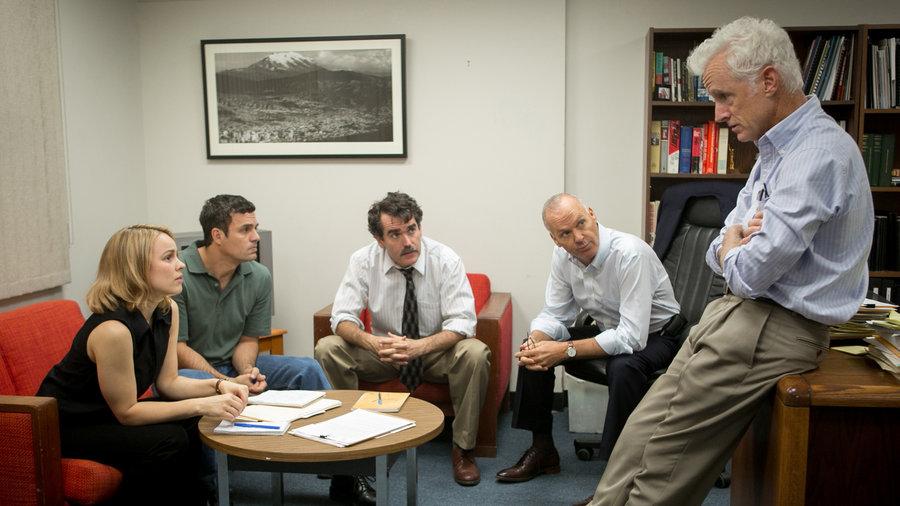
Spotlight’s impeccable cast awaits the Oscars.
Alex
Original Screenplay
Will/Should Win – Spotlight
This category is all but tied up with a bow. Spotlight has been the front-runner for this award for months and will win it with ease. Good thing it’s a richly deserved award! Director Tom McCarthy and his co-writer Josh Singer created an exemplary piece of screenwriting. The script manages to tackle the topic of molestation with emotional force without ever falling into easy exploitation or sappy emotional manipulation. I was especially impressed with how the reporters’ personalities were revealed through their work and how a fact established early in the movie becomes devastating in the closing minutes. This screenplay will be used as a teaching tool for a long time.
Nightmare Win – ….None of These?
Well, this is a first. I badly want Spotlight to win this category, but none of the nominated scripts would be an awful winner. I’m as surprised as you are.
Film Editing
Will Win/Dream Win – Mad Max: Fury Road
This category is stacked with strong competition. The only movie that has no chance to win is Star Wars: The Force Awakens. Because of that, I am not terribly confident in this prediction. Spotlight is a exemplary piece of effectiveness, despite lacking any sort of flash. The journalists’ interviews with the victims do a particularly good job of landing gut-wrenching emotion without ever reveling in it. If you ever doubt how well-made this film is, just imagine David O. Russell directing it. The comparison should be jaw-dropping. The Revenant is a bad movie, but its production values are very strong. While its running time certainly could have been trimmed, its big action set-pieces are all edited impressively. The Big Short is heavily reliant on its frenetic editing for pace and tone. Without such showy work the humor and narrative would grind to a halt. If any of these last three should prevail it would be a strong sign that it’s winning Best Picture. Despite all of those qualified contenders, I have a hunch that the showiest entry will win. Normally, that would make me roll my eyes, but not for Mad Max. Its editing is par excellence and should take the gold.
Nightmare Win – Star Wars: The Force Awakens
Nothing against the editing in Star Wars, which is full of energy and had a few “awesome!” transitions. But it’s just not in the same class as the rest of this field.
Production Design
Will Win – Mad Max: Fury Road
Hi, my name is Alex. I am apparently a huge Mad Max homer this year. Not that I’m complaining! The natural scenery, props, vehicles, and sets coalesce into a stunning and unified world. The aesthetic is some sort of post-apocalyptic punk rock, I guess. Feels outside the Academy’s wheel house, but it also feels undeniable.
Dream Win – The Revenant
Despite hating this movie, this is a bit of a sentimental pick for me. Jack Fisk has been a world-class Production Designer since the 1970’s. He’s worked on iconic films like Carrie, Days of Heaven, The Thin Red Line, Mulholland Drive, The New World, There Will Be Blood, and The Master. Much of his work here is landscape selection and preparation, but the scattered villages and forts are impressive sets. Plus, The Revenant seems likely to win at least one tech awards besides Cinematography. Let is be here.
Nightmare Win – The Danish Girl
This movie is the very model of a modern major meh. No Oscars for it!

An Oscar win for Mad Max’s production design could be shared with its stunt team.
Costume Design
Will Win – The Revenant
I’ll just call it a hunch. Those vast, bulky fur trapper outfits must have been a bear (zing!) to create, store, and transport to the remote shooting locations. They’re not as cosmetically flashy as the other nominees, but I can see filmmakers appreciating them.
Dream Win – Mad Max: Fury Road/Carol
Quelle Surprise! These costumes were instantly iconic. You will see them at parties and parades for years. They’re obviously Oscar-worthy. That being said, the meticulously gorgeous costumes from Carol were instrumental to the film’s aesthetic and symbolic power. I’ll cheer for any Carol win, so why not here?
Nightmare Win – The Danish Girl
See the above about Production Design. It applies here.
Andrew
Best Director
Will Win – …?
I’m genuinely not sure who’s coming out on top in this category but I want to talk about something regarding directing with this year’s movies. One of the primary jobs of a director is to establish a tone and style that fits the movie both in terms of storytelling and of theme. All five of these directors fulfill the first part of the equation. Thomas McCarthy directed Spotlight in an invisible, realistic style that suits the step-by-step work of the storytelling and brings home the power of the subject matter by reminding us this really happened. Adam McKay’s hyper-edited, French New Wave/Tom Jones-esque work played up the frenzy of The Big Short. Lenny Abrahamson’s intimacy and close-framing until the final minutes perfectly fit the physically and mentally trapped characters of Room. And George Miller used grandiosity and sweeping takes with perfectly choreographed editing to make Mad Max: Fury Road full of action and a smart, cathartic commentary on how the world can be destroyed and redeemed.
Nightmare Win – Alejandro Gonzalez Inarritu brought an intense style to The Revenant that played up the overwhelming power of nature…but this gigantic scale comes to naught when Inarritu decides the film is not about survival but revenge and guilt, and then makes choices in the final minutes that negate the possibility of an actual theme, leaving all of that bluster for nothing. I second Alex’s commentary above.
Should Win – George Miller, who made an extraordinary film that was every bit as difficult to put together as The Revenant and succeeded everywhere Inarritu failed (including giving us lots of female characters who live and kick serious butt). But my honest answer is “anyone BUT Inarritu” because all of these films were great.
Best Adapted Screenplay
Will Win – The Big Short. Similar to Spotlight, Adam McKay and Charles Randolph have this one locked up for a smart, genuinely funny, delightfully fourth-wall-breaking saga that also gets surprisingly emotional. A film whose protagonists are identifiable and do plenty of despicable things is a challenge, and McKay and Randolph adapt Michael Lewis’s book with aplomb.
Should Win – Room. Emma Donoghue took her own novel and put it on screen with a two-act structure, a lot of smart storytelling choices in terms of perspective and how people exit and enter the tale, and a world of characters with great dialogue and complex motivation. Especially in a year with few female nominees, Donoghue pulled off one of this year’s best pieces of work.
Nightmare Win – Again, None of These. This category was extremely strong. Nick Hornby’s sentimental Brooklyn, Phyllis Nagy’s understated and aching Carol, and Drew Goddard’s complex, clockwork-precise The Martian are all ideal screenplays in different ways as much as those two above.
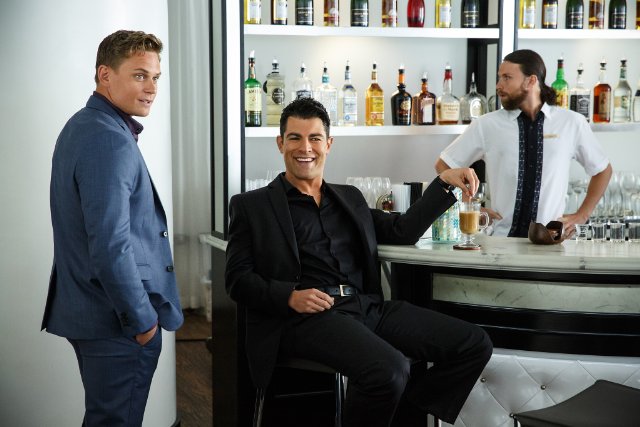
This image from The Big Short was chosen solely because we love Max Greenfield.
Best Original Score
Will Win- Ennio Morricone, The Hateful Eight. He doesn’t have a competitive Oscar, his return to scoring both giant films and Westerns received a lot of buzz, and while the score isn’t his best (and draws on his themes from Exorcist II: The Heretic and The Thing), it is suitably menacing and full of the dark energy he brings to such projects.
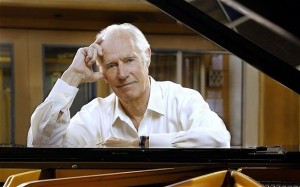
Should Win – Carter Burwell, Carol. Burwell wasn’t even nominated until this year despite a laudatory career ranging from his chameleon-like talent to score any Coen Brothers movie to his giant scores for The Twilight Saga. He’s one of the finest and most passionate composers in the film world (read his essays on his website for deep looks into the art of scoring) and Carol is one of his best, a gentle, romantic chamber piece full of haunting and tender themes.
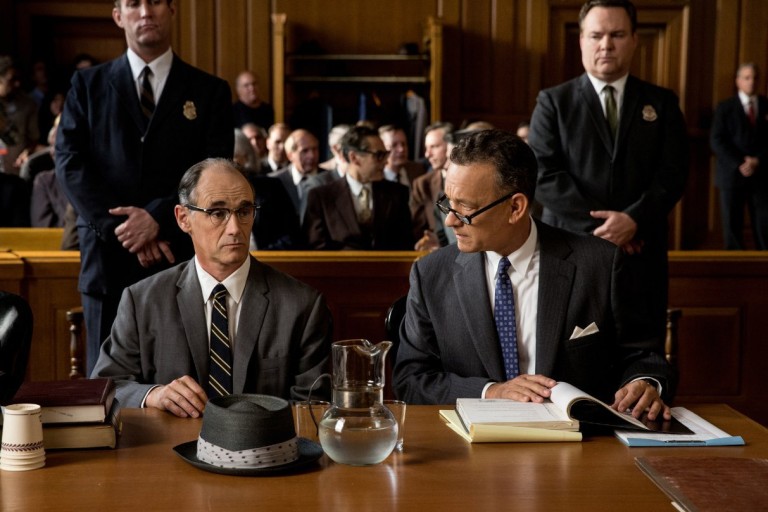
Nightmare Win – Thomas Newman, Bridge of Spies. Newman stepped in when illness and Episode VII forced John Williams out, and he responds with a pale imitation of Williams tropes. It occasionally hits stirring heights when paired with Spielberg’s imagery but is forgettable otherwise. (Williams, by the way, is far from a nightmare win thanks to “Rey’s Theme.”)
Best Original Song
Will Win/Should Win – “Til It Happens To You” from The Hunting Ground. I think it’s a terrific song from a powerful movie, with Lady Gaga delivering one of her best vocals ever. But it is also a process of elimination. “Manta Ray” and “Simple Song No. 3” won’t even be performed during the ceremony in an annoying and unfair decision that suggests a kiss of death. “Earned It” probably won’t win because the Academy is probably reluctant to honor Fifty Shades of Grey. And finally…
Nightmare Win – “Writing’s On the Wall” from SPECTRE. I loved SPECTRE but this song stinks. Adele, like Shirley Bassey, brought a real drama and menace to “Skyfall” but her male counterpart Sam Smith has zero bite and one hundred percent sad, melodramatic moaning.
Sound Mixing and Sound Editing
Will Win – Mad Max: Fury Road. It has the momentum on its side and it sounds terrific, the chases, the nature, the music blending together with no let-up until the finale.
Nightmare Win – The Revenant. See most of the above.
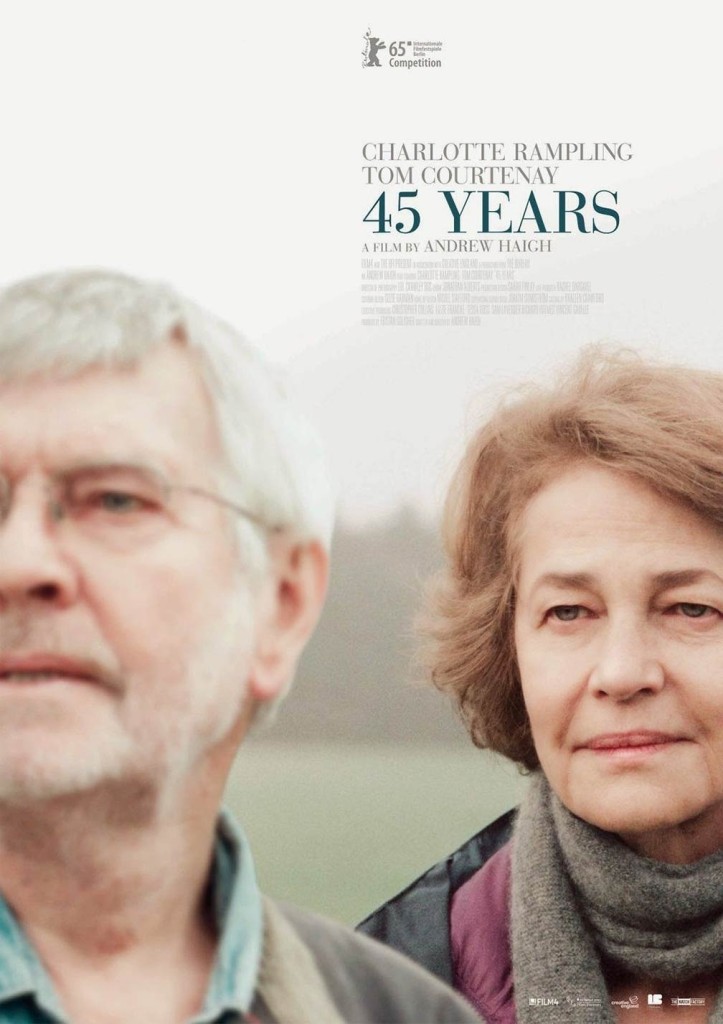
Should Win – This is the one category where I wish write-in votes were possible. Mad Max should win, but so should 45 Years, which had a magnificent design that sneaks up on the viewer. Throughout the tale of domestic drama, a perfect mixture of radio music, household creaking and groaning, and wind and rain form a background of white noise that increases the story’s reality.
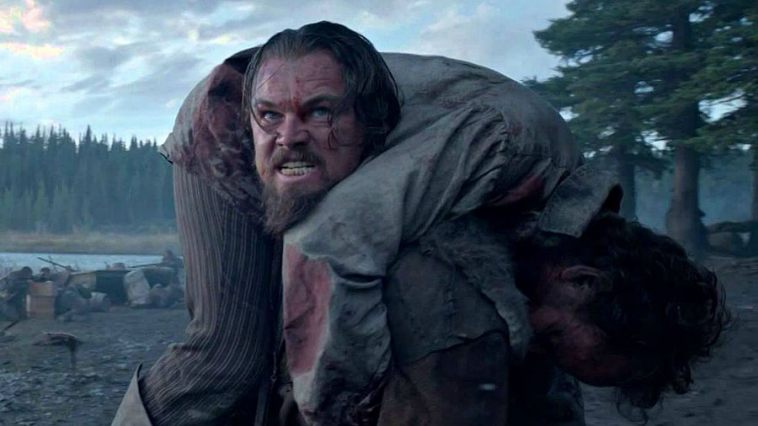
DiCaprio’s expression is an accurate approximation of what we looked like while watching The Revenant.
Travis
Best Actor
Will Win – Leonardo DiCaprio, The Revenant. Leo’s due, and while I have a problem with the idea that “he who suffered the most should win an Oscar”, this falls into the second category of “long overdue”, which is how Martin Scorscese won for The Departed all those years ago. Suffering and going to extremes isn’t always the sign of dedicated acting – if anything, it’s a sign of supreme narcissism in the name of Art with a Capital A. Great acting is often done in subtle shades, and there is little subtlety to DiCaprio’s grunting and gnashing his way through the film that is The Revenant. (Ooh, he ate bison liver! How tremendous!) That kind of dedication to a role can lead to great things, sure…but it also leads to actors destroying themselves the way Heath Ledger did following The Dark Knight. At some point, there is a line.
All of which is irrelevant, as Leo stomps up on stage to claim a trophy he probably should have won back in Aught Nine.
Should Win – Michael B. Jordan, Creed. Because God Forbid a black actor should be nominated in the Year of the Leo. (Runner-Up: …nope, I’ve got nothing. This was a weak year for male actors.)
Nightmare Win – Eddie Redmayne, The Danish Girl. Not like this, Oscar. Not like this.
Best Actress
Any other year, I’d be jumping for joy at how strong Best Actress is this year. And then, when you break it down as to the roles that the women nominated below are being recognized for as opposed to the men’s roles, it gives you pause. So there’s that to consider.
Nevertheless, this is handily the strongest of the Acting categories, so that’s some consolation in a year where #OscarsSoWhite is a thing.
Will Win – Brie Larson, Room. The most emotive performance, the strongest performance, and the most deserving of the nominees. She’ll win, and I won’t have many arguments because the actor who should win wasn’t nominated.
Should Win – Charlize Theron, Mad Max: Fury Road. Imperator Furiosa was a titan of action this summer, and this was one of the more egregious oversights of the year, I felt. Theron should have collected her second trophy this night. (Runner-Up – Cate Blanchett in Carol proves once again that she is right up there with Streep as a candidate for Greatest Living Actress.)
Nightmare Win – Charlotte Rampling, 45 Years. I don’t want to hear her have to explain away her comments about #OscarsSoWhite. Like, ever.
Best Supporting Actor
Will Win – Sylvester Stallone, Creed. People forget that Stallone can actually act. Granted, this is because of the gap between this performance and his last great performance in 1976. (Coincidentally, the last time he played Rocky Balboa.) This is a case of the establishment rewarding itself, and in a relatively weak year for this category…whatever.
Should Win – Idris Elba, Beasts of No Nation. I’ve covered elsewhere why this was a disappointment, but Elba was the best thing about that movie. His final moment by the lakeside, when everything has crumbled beneath him, should have earned him at the very least a goddamn nomination. That’s why his winning the SAG was such a wonderful slap in the face. Because #OscarsSoWhite. (Runner-Up – Mark Rylance, Bridge of Spies.)
Nightmare Win – That Damn Horse, The Revenant. I don’t have as big of a problem with Tom Hardy winning for The Revenant. I would, however, have a big problem with the damn palomino winning for getting cut open by Leo. That was a real horse! DOES ANIMAL CRUELTY AND MUTILATION MEAN NOTHING?!
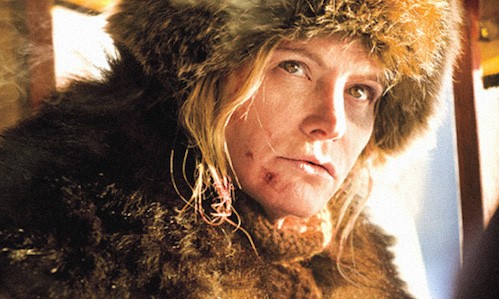
Somehow this is Jennifer Jason Leigh’s first Oscar nomination. This is a silly world.
Best Supporting Actress
Will Win – Jennifer Jason Leigh, The Hateful Eight. She’s a combination of “due” and “best thing about that ugly-ass movie”. Whatever else you might think of the bore that was the latest Tarantino bloodbath, Leigh is the beating center and twisted heart of the film. Watching the joke play out on her face as things go to hell is almost as chilling as watching everything turn south on her at the drop of a hat. Fantastic job.
Should Win – Alicia Vikander, Ex Machina. She was nominated for The Danish Girl, but she was amazing in Ex Machina. Best work of the year, hands down. Alas, she suffers from the same genre bias that Charlize Theron suffered from in the nomination process. Apparently, the only way to get nominated for sci-fi is if you go to town on the Alien queen a la Ripley in Aliens. Also, fuck The Danish Girl .
Nightmare Win – Alicia Vikander, The Danish Girl. Seriously, fuck The Danish Girl.
Best Cinematography
Will Win – Emmanuel Lubezki, The Revenant. Natural lighting + tormented production + one of the best working cinematographers = a three-peat for Chivo.
Should Win – …eh. This is a really strong category this year, one that doesn’t provoke a lot of antipathy on my part. It’d be nice for Roger Deakins to finally win a fucking Oscar, but Sicario isn’t really his strongest work. Maybe he upsets? Either way, I’m not gonna be that upset about this one.
Nightmare Win – Whoever The Fuck Shot Fifty Shades of Gray. Hey, you asked for a nightmare win. Write-in votes could happen.
Best Visual Effects
Will Win/Should Win – Mad Max: Fury Road
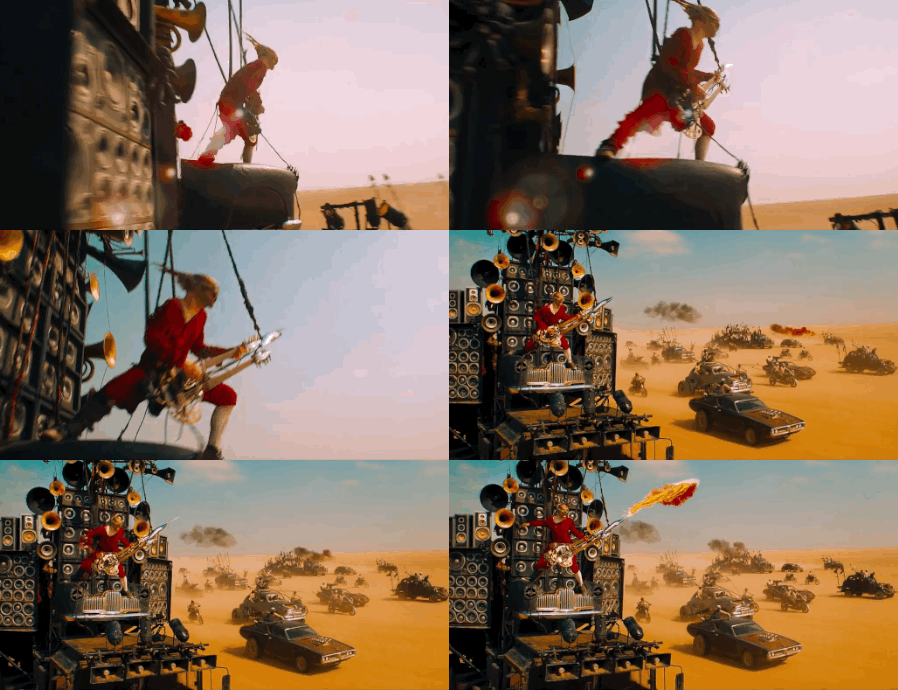
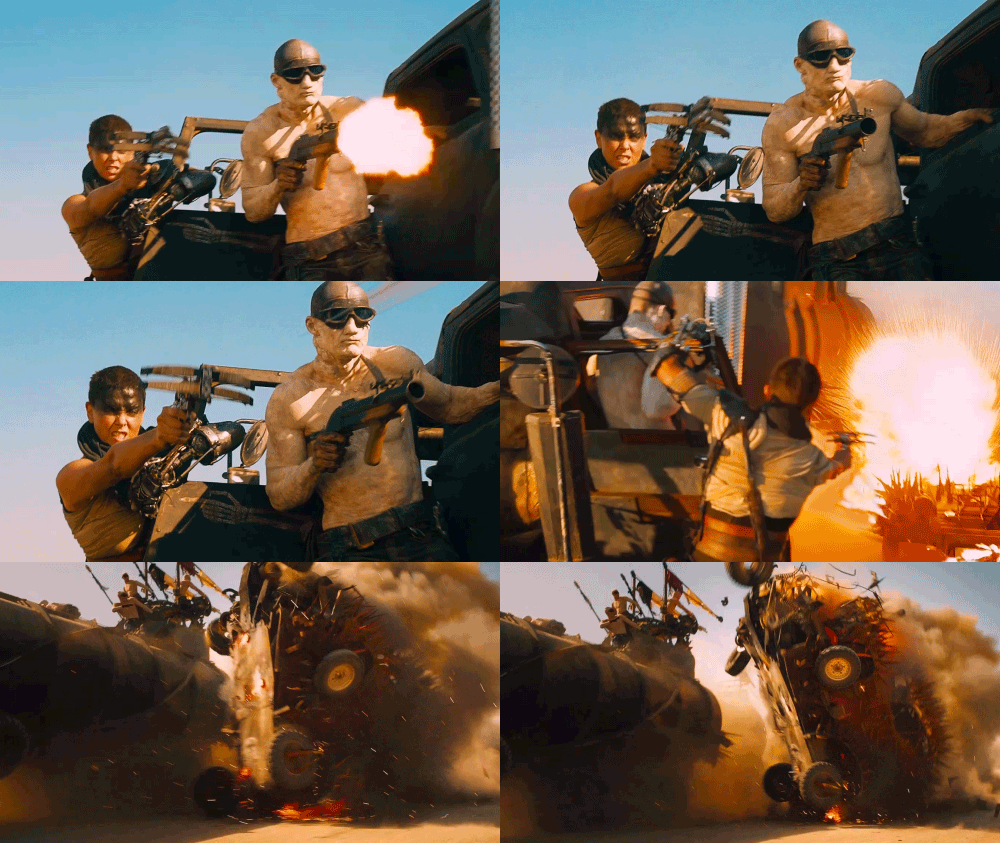

I rest my case.
Nightmare Win: Not Mad Max: Fury Road.
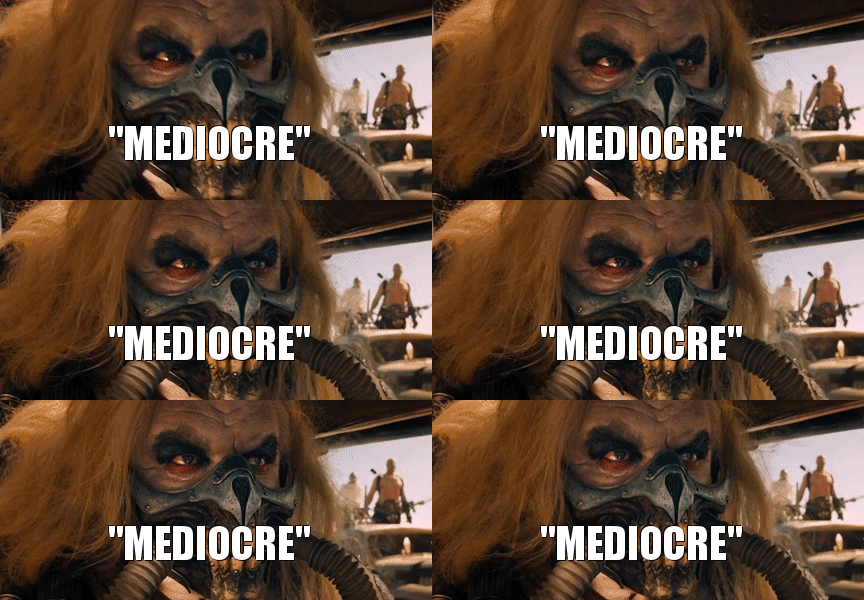
Best Make-Up and Hairstyling
Will Win/Should Win: Mad Max: Fury Road

Yes.
Nightmare Win: The Revenant
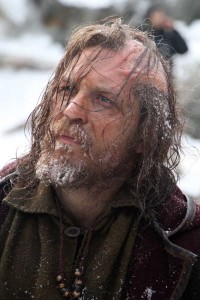
No.
Best Picture (Group Poll)
Alex
Will Win/Nightmare Win – The Revenant
Ugh. Here we go again. For the second year in a row Alejandro G. Inarritu seems set to snatch Best Picture away from a host of better movies. The Revenant is a movie that should have been right up my alley. It’s an epic and violent Western with impeccable cinematography and production design. Despite that stacked deck, I goddamn hated this movie. The story reduces to a series of increasingly ridiculous set-pieces with some insipid emotional and thematic hooks peppered in to no effect. It’s cinematography helps save some scenes, but by the two-hour mark I was actively sighing with impatience. By the end of the damn movie, I was flipping off the screen. I hated this movie. I hate Inarritu as a filmmaker. That he will probably collect five Oscars in two years is just…unbelievably awful. Burn this movie to the ground.
Should Win – Mad Max: Fury Road
Maybe you missed our previous Oscar pieces, but there is only one real option here. Every Picture nominee I’ve seen except the presumptuous winner has been pretty good and those I haven’t (The Martian, Room, & Brooklyn) all sound good, but Mad Max is on a whole different level. George Miller harnessed the formal powers of cinema into a rollicking and astounding masterpiece. My words cannot do it justice. There was nothing like it in theaters last year. It should be the Best Picture winner a million times over.
Travis
Will Win – Spotlight
I think that the recent love for The Revenant is overstated – though while I feel like a win for it wouldn’t be good, I will say that I at least liked it better than Birdman, which seems an utterly forgettable film one year later. At least The Revenant stuck with me. That being said, I think that the love for Spotlight will carry the day. #wishfulthinking
Should Win – Spotlight
It’s easily the best actual film of this group, and all without being pushy in the name of art. It has a plot. It’s structured around an entire theme, and crafted to reflect that theme and to provide commentary upon an age. It’s a damn good film. So yeah. (Runner-Up: Mad Max: Fury Road – …what Bean said.
Nightmare Win – Brooklyn
Don’t get me wrong – Brooklyn is a good movie. It’s also the most ‘by the numbers’ of the Oscar movies, and sort of exemplifies what’s wrong with Oscar. It’s a coming of age story about a white Irish immigrant making her way in America. Nothing happens. It’s the kind of movie that pops up on Lifetime every now and then and you can watch it with your (white) grandparents, who can then reflect upon their own experiences/rant against the Irish. (You know what I mean, WASP-America) This spot should have gone to Straight Outta Compton, Dope, Creed, Chi-Raq, or any of a number of other movies reflecting on another American experience. But #OscarsSoWhite so…yeah, that’s my thoughts.
Andrew
Will Win – Spotlight
As Richard Jenkins says in the film, “my faith is in the eternal.” The split between the guilds has left this wide open, but I have faith that Oscar voters will take a look at what is truly great and what people will look back on as the best representative of 2015. As both a masterful example of classical Hollywood filmmaking and a powerful, beautifully told story of our determination to do what is right in the face of overwhelming institutional pressure, Spotlight is a film for the ages.
Should Win – Mad Max: Fury Road
This is not a knock on Spotlight. But in pondering this I was reminded of a quote Tasha Robinson had on the latest episode of Filmspotting, that Thomas McCarthy should not have been nominated for Best Director. I disagreed but I understood what lay behind her reasoning: that a director should create something new and singular in style to get that nomination. Fury Road was a cinematic triumph blending practical and digital, old-school storytelling and modern feminist themes, all done with the type of action only the movies make possible. It is the one movie this year I would call more unforgettable than Spotlight. It must be witnessed.
Nightmare Win – The Revenant
No director has ever made two Best Picture winners in a row. The only two men to win two Best Directors in a row are two immortals, John Ford and Joseph L. Mankiewicz. To place Inarritu in the same breath as them for an empty, soulless expanse would be an insult to the history of this art form.
Which means I’ll be waiting with bated breath when they call this award on Sunday hoping we don’t have another Crash.